Magazine Page Canva Templates: Your Shortcut to Pro Design
There's a specific kind of frustration that comes from staring at a blank digital canvas. You have a brilliant idea for a lead magnet, a workbook, or a client newsletter, but the execution feels overwhelming. You know the final piece needs to look polished, cohesive, and professional—like it was crafted by a seasoned designer. This is precisely the problem that Magazine Page Canva Templates are built to solve. They aren't just static designs; they are a versatile, fully customizable system for creating brand materials that truly resonate.
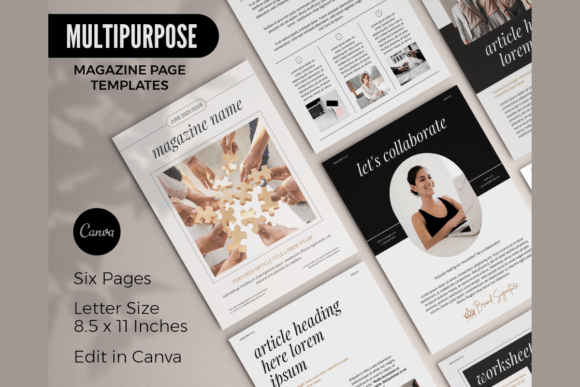
Think of this resource not as a rigid set of pages, but as a flexible foundation. Whether you're a blogger designing a media kit, a small business owner creating a quick promotional booklet, or a marketer assembling a visually engaging report, these templates provide the structure and aesthetic polish you need. The real power lies in their adaptability. You can mix and match the six included pages, adjusting every element in Canva's free, user-friendly editor to align perfectly with your unique brand identity.
Beyond the Blank Canvas: Understanding the Template's Core
At its heart, this digital magazine template is a masterclass in modern typography and layout. The design personality strikes a balance between editorial sophistication and approachable clarity. It avoids overly trendy flourishes that might date quickly, instead opting for a clean, contemporary style that feels both professional and inviting. The visual hierarchy is carefully considered, using a thoughtful combination of serif font and sans serif font styles to guide the reader's eye naturally from headlines to body copy. This isn't about flashy display font choices that scream for attention; it's about creating a seamless reading experience where the content is the hero.
The overall appeal is one of effortless credibility. When you open a document built with these templates, it immediately conveys a sense of intentionality and care. This perception is crucial for building trust with your audience. Whether you're presenting data, telling a story, or showcasing products, the consistent visual language provided by the templates reinforces your brand identity at every touchpoint. It’s the difference between a document that looks "put together" and one that feels truly professional.
Strategic Applications: Where These Templates Shine
The true value of a resource like this is measured by its real-world utility. Magazine Page Canva Templates are a workhorse for a wide array of projects. For the entrepreneur, they are perfect for creating lead magnets—those valuable PDF guides or checklists that grow your email list. Instead of a plain text document, you can offer a beautifully designed workbook that increases perceived value and engagement.
For marketers and content creators, the applications are nearly endless. Use them to design simple, elegant newsletters for clients or your own audience. Assemble quarterly reports that are actually enjoyable to read. The templates are ideal for editorial design projects, like crafting a mini-digital magazine or a lookbook for a product launch. Bloggers can leverage them for stunning media kits or sponsorship proposals. Even in packaging design, the individual pages can be repurposed as elegant inserts or instruction manuals that elevate the unboxing experience.
Consider a life coach creating a new client welcome packet. With these templates, they can quickly assemble a document that includes an introduction, a values statement, a schedule overview, and a worksheet—all in a cohesive style that reinforces their professional brand. A freelance graphic designer might use them to create a standardized project proposal template, saving hours on each new client pitch while maintaining a high-end aesthetic. The versatility extends to social media graphics as well; individual sections can be easily exported and adapted for Instagram carousels or Pinterest pins, ensuring visual consistency across all platforms.
Mastering the Tool: Practical Guidance for Customization
Getting the most out of these templates requires a bit of strategic thinking. First, before you dive into editing, have a clear goal for your document. What is its primary purpose? Who is the audience? This will guide your decisions on color, imagery, and tone.
When you open the template in Canva, the first step is often to establish your brand's color palette. The templates are designed with neutral, versatile colors that are easy to change. Next, focus on typography. While the templates come with suggested font pairings, you can swap them out. A good rule of thumb is to maintain the contrast between a more decorative header font and a highly readable body font. If you're using a premium font or a script font for logos or specific accents, ensure it has a clear sans serif font counterpart for longer text blocks to preserve readability.
Don't feel bound to the six pages in order. The modular design is intentional. You might only need three pages for a quick checklist, or you might duplicate a page to extend a section. The included PDF guide is your roadmap for accessing and navigating the templates, but the real magic happens in your experimentation. Test different font pairings. Try replacing the placeholder images with your own branded photography or curated stock from Canva's library. The goal is to make the template your own while retaining the underlying structural integrity that makes it look professional.
Remember, this is a commercial font and template system. The stock photos provided are licensed for use within the templates on Canva, but the final design is yours to use for your business. It's a powerful addition to your library of design assets, one that saves time without sacrificing quality. By investing a small amount of time in customization, you create a reusable system that elevates every piece of communication your brand produces, fostering stronger audience engagement and a more recognizable brand identity.